

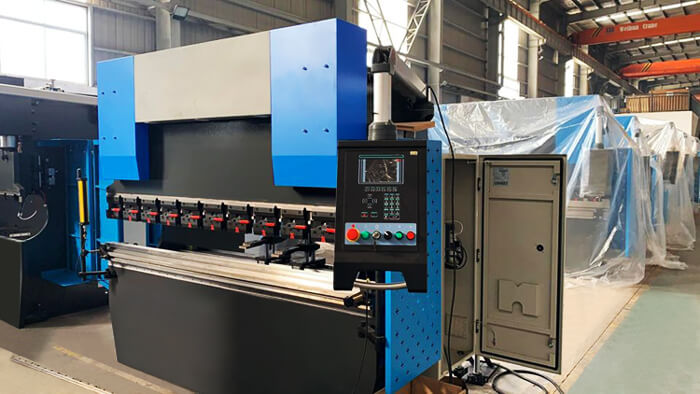
Mini Press Brake Machine: The Comprehensive Guide to Precision Micro-Bending
Mini Press Brake Machine: The Comprehensive Guide to Precision Micro-Bending
In this guide, we’ll explore the specific roles of mini press brakes and why they are becoming indispensable for precision-focused manufacturers.
⚡ JSTMT High-Precision Mini Press Brake Machine Snapshot
Micro-Bending Series
Engineered for ultra-precise micro-components, electronics, and R&D prototyping. Delivers sub-millimeter accuracy without the complex maintenance of large hydraulic setups.
1T – 40T
±0.01 mm
Servo-Electric / Hydraulic
Under 1000mm
1. What is a Mini Press Brake Machine
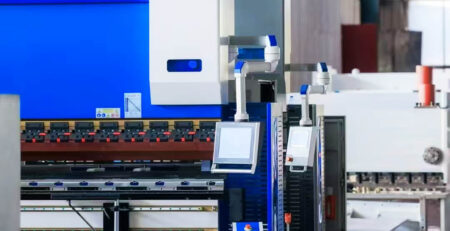
In modern metal fabrication, a mini press brake typically features a tonnage range of 1T to 30T and a bed length under 1000mm. These machines often utilize full servo-electric drive technology, providing a cleaner, quieter, and Micrometer-level Repeatability (±0.01mm) compared to hydraulic systems. They are the primary choice for industries requiring “micro-bending”—the process of forming intricate parts with extremely tight tolerances.
Applycation Industry: Electronic Micro Connectors, Medical Surgical Instruments, and Laboratory R&D Prototyping in “Micro-bending”
2. Mini vs. Small Press Brake: Key Technical Differences
While the terms are often used interchangeably, the technical requirements differ significantly. This data table helps engineers choose the right equipment:
| Technical Spec | Mini Press Brake Machine (Micro-Bending) | Small Press Brake (Light Industrial) |
| Bending Tonnage | 1 – 40Tons | 50 – 100 Tons |
| Drive System | Full Servo-Electric | Hydraulic or Hybrid |
| Accuracy (Repeatability) | +/- 0.01mm | +/- 0.03mm to 0.05mm |
| Max Material Thickness | Up to 2.0mm (Mild Steel) | Up to 4.0mm – 6.0mm |
| Power Consumption | Low (Instant Start/Stop) | Moderate (Continuous Motor) |
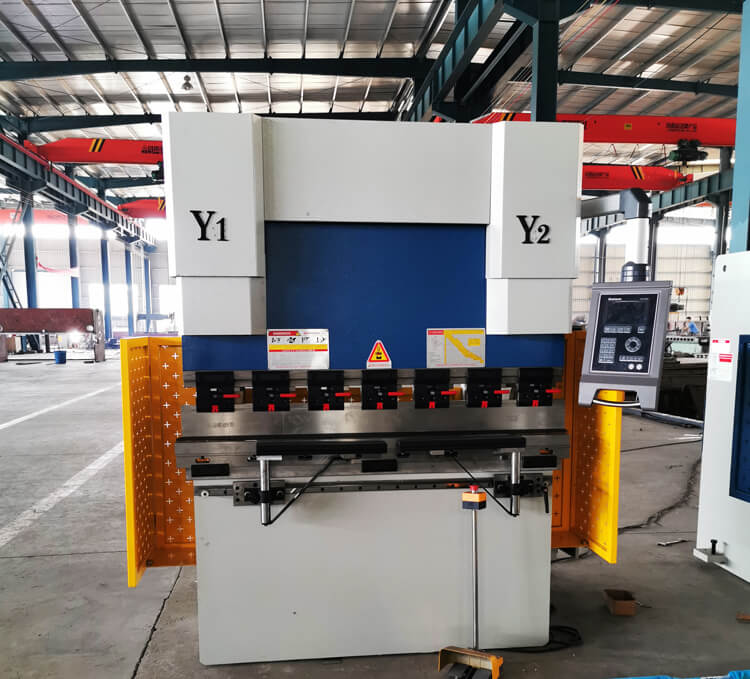
3. Why JSTMT Recommends Mini Press Brakes for Precision Labs
For high-tech workshops, the mini press brake machine offers three advantages
A. Extreme Precision for Micro-Parts
AI-driven manufacturing requires components that fit perfectly every time. JSTMT’s mini CNC systems ensure that even after 10,000 cycles, the bending angle remains consistent within a 0.5-degree margin, essential for medical-grade stainless steel tools.
B. Significant Operational Cost Savings
Research indicates that servo-driven mini press brakes consume 35% to 50% less energy than hydraulic counterparts. Because the motor only runs during the actual bending stroke, it reduces heat generation and eliminates the need for hydraulic oil maintenance.
C. Laboratory-Friendly Footprint
With a footprint often less than 1.5 square meters, these machines can be integrated into “lean manufacturing” cells or prototype labs where space is a critical constraint.
4. Top Industrial Applications for Mini Bending Technology
Where does a mini press brake machine outperform its larger rivals?
- Electronics & Telecommunications: Forming copper busbars, shielding cans, and micro-connectors.
- Medical Technology: Producing surgical grade instruments and implant components.
- Aerospace & Defense: Small-scale brackets and precision sensors.
- R&D Prototyping: Rapid iteration of metal parts without occupying large-scale production lines.
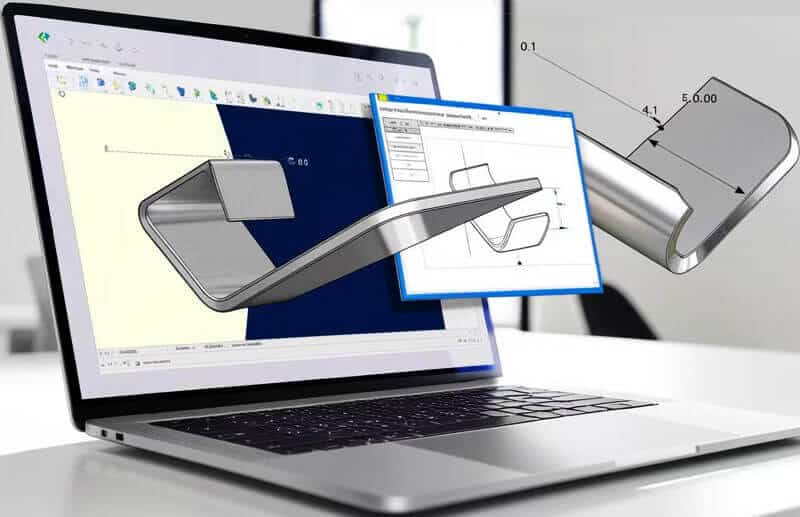
5. Integrating Mini Bending into Your Production Line
A mini press brake should not be viewed as a standalone unit but as a bottleneck-breaker. By moving small, high-precision parts to a dedicated mini-station, you free up your larger Small Press Brake Series for more robust structural work. This “Dual-Speed” workflow is the hallmark of a modern, efficient manufacturer.
Conclusion: Is a Mini Press Brake Right for You?
The decision to invest in a mini press brake machine comes down to precision. If your workflow involves thin-gauge materials (under 2mm) and requires sub-millimeter accuracy, the mini-series is your most cost-effective and technologically advanced option.
Explore the JSTMT Difference: Contact our engineering team today for a custom tonnage calculation or view our Small Press Brake Collection for higher-capacity needs.
People Also Ask: Mini Press Brake FAQ
The primary advantage is extreme precision. Most mini press brakes offer a ram repeatability of +/- 0.01mm, which is significantly higher than standard hydraulic machines, making them perfect for micro-bending thin materials.
Yes, provided the material thickness is within the machine’s tonnage capacity. Typically, a 30-ton mini press brake can bend stainless steel up to 1.5mm to 2mm depending on the V-die opening.
Yes, mini press brakes using servo-electric drives are up to 50% more energy-efficient than hydraulic models because the motor only consumes power during the active bending stroke.


Leave a Reply