Press Machine for Metal Stamping Industry

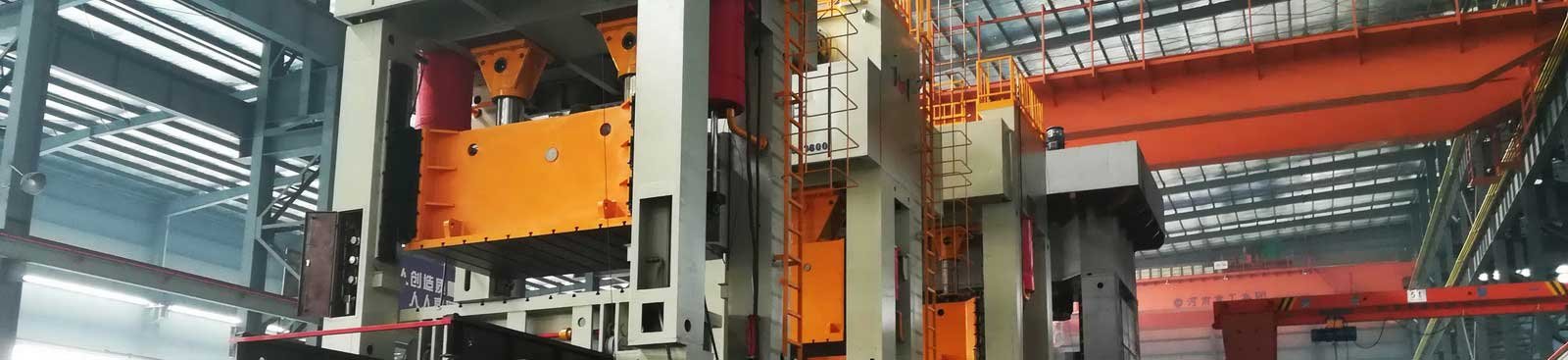
Press Machine is a stamping tool for Punching steel in shapes in the Metal Fabrication Industry, and It includes Hydraulic, Power, heat press machines. The cold forming process covers forming, drawing, trimming, blanking, and punching. It is widely used in electronics, medical, and construction fields. The sheet metal stamping press machines can meet the needs of mass production, high quality, and low cost.

How does Press Machine work? The industrial metal press machine composes of a bolster plate and ram. It operations work by forming the metal between two parts of the press tool. The industrial stamping machine uses a combination of force and tooling to alter the shape of a workpiece. This is achieved by applying pressure through a punch or die onto the material, causing it to bend, compress, or mold into the desired form. The upper beam is attached to slides of the press, and the bottom part is attached to the bolster plate. Some large presses also have a die cushion in the bolster plate, which can help apply blank holder forces.

We have a wide range of metal pressing machines to choose from, based on your requirements. Like any other sheet metal stamping equipment, a mechanical and hydraulic press machine needs to be well maintained to ensure tight tolerances. and make sure this type of machine wear and tear is also normal. We should often check the parts and replaced them when necessary. If you are not sure about the punching force and metal stamping dies tend or buying a heat press machine 15×15, please contact us for solutions with the best press machine price.

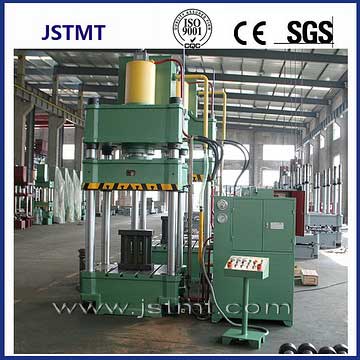
Hydraulic Presses are available in a wide variety of standard tonnage and configurations. The press frames are a welded construction for max strength and durability. The steel press machine capacity is from 10 ton to 1000 ton and is available in C-Frame, H-Frame, Four-column types. If you need a heavy duty or small hydraulic press machines or stamping dies, please contact us for prices.


What are the key Components of the Hydrolic press machine?

A hydraulic press machine's core components can be categorized into the mechanical structure system, hydraulic system, electrical control system, and auxiliary devices.

1  Hydraulic Cylinder: Contains the hydraulic fluid and the piston that transmits the force.
2  Piston: A movable component within the cylinder that is pushed by the hydraulic fluid.
3  Hydraulic Pump: Creates the pressure in the hydraulic fluid from mechanical energy.
4  Hydralic Valves: Control the flow of hydraulic fluid and the direction of the piston movement.
5  Frame: Provides the structural rigidity required to resist the massive "deflection" forces generated during the pressing cycle.
6  Dies or Tooling: Attached to the ram and the press bed to perform specific operations.

How It Works?

The Metal Stamping Press Machinery Advantages

The hydraulic pressing machine is using hydraulic pressure forces with hydraulic press tooling for various shapes.

Adjustable height ,speed ,stroke.

Built-in overload protection

Simple Structure and pneumatic innovation.

Lower tool costs

Metal Press Machine Applications

Kitchen Hardware Forming Parts

stainless-steel-kitchenware

laders

metal Lader-what we make

Metal Forming Parts

Hydraulic-press-produce-sample

FAQ- Frequently asked questions for Industrial Metal Press Machine 

The metal Press machines include Hydraulic Metal Press Machine, Power Pressing machine, and heat press machines. It is used for forming metal parts by applying the following processes: shearing, blanking, forming, drawing, bending, forging, coining, upsetting, flanging, squeezing, and hammering.

Industrial hydraulic press for metal forming: Here's a breakdown of what to consider and where to look:

Factors to Consider Before Buying:

1. Tonnage Capacity: This is the most crucial factor. Industrial hydraulic presses can range from a few tons to thousands of tons.
2. Application: The common applications include: Forming, Punching, compacting, laminating
3. Testing: Material testing and quality control.
4. Bed Size and Daylight.
5. Stroke Length: The maximum travel distance of the ram.
6. Speed Requirements.

Difference between a Power press machine and a Hydraulic Press:

  • Pressure: Hydraulic metal press machines have static pressure, which can be slowed down while the pressure in the power press is rapidly decreases.
  • Speed control: Power press machines are rigid with high speed.
  • Precision: Hydraulic presses are favored for applications requiring precise force control and versatility

The Tonnage Formula is the pressure required in tons to cut a blank or contour using a flat faced punch with no shear. Tonnages of the hydraulic press machine can be calculated for forming, bending, cutting, drawing, and blanking operations. Having the ability to calculate the tonnages for a sheet metal project is vital for the completion and success of your project.

FORMULA
T(Ton) = P x Thick  x C(constant)

T = Pressure required in tons   |  P = Perimeter of blank in inches  |  Th = Thickness of material

C = Constant (see common ones below)   |  Constant = The material shear strength/2000 pounds

EXAMPLE
.050 CR Steel, 1/2 Hd; Cutting edge of 12 linear inches

T= 12 x .050 x 32 = 20 tons required

CONSTANTS
Aluminum- Soft-11                    |   T4/T6-15

Steel- HR/Cold Rolled-27        |    1/2 Hard-32

Stainless Steel- Annealed-37   |   1/2 Hard-50    |    4130 AQ - 40

Brass- 1/2      Hard-22               |   Hard-25b

When compared to mechanical fly-wheel presses, a hydraulic press for metal offers several distinct advantages for manufacturers:

  • Full Power Throughout the Stroke: Unlike mechanical presses that only hit peak tonnage at the bottom of the stroke, a hydraulic press can deliver maximum pressure at any point in the ram's travel.
  • Built-in Overload Protection: The machine cannot exceed its set pressure. If the resistance is too high, the relief valve opens, preventing damage to the frame or the tooling.
  • Adjustable Speed and Pressure: Operators can slow down the ram during the contact phase, which is critical for complex Deep Drawing operations to prevent the metal from tearing.

Lower Maintenance Costs: With fewer moving parts than a mechanical drive, hydraulic systems typically offer a longer service life with simpler maintenance requirements.

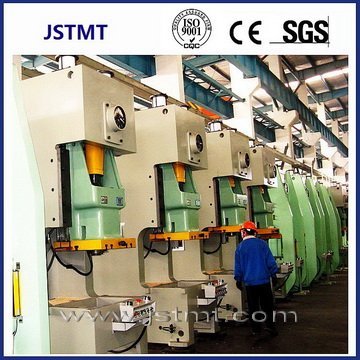
A mechanical press machine is a widely used metal forming machine tool. It is designed to form or cut metal by applying mechanical force or pressure. With the help of a press, you can form any desired shape of metal without removing chips. The press is specially used for mass production. The main advantage of using these types of mechanical presses is that they are the fastest and most effective method of forming any sheet metal into the final product.

Catalogue

JSTMT catalogue

Contact us