

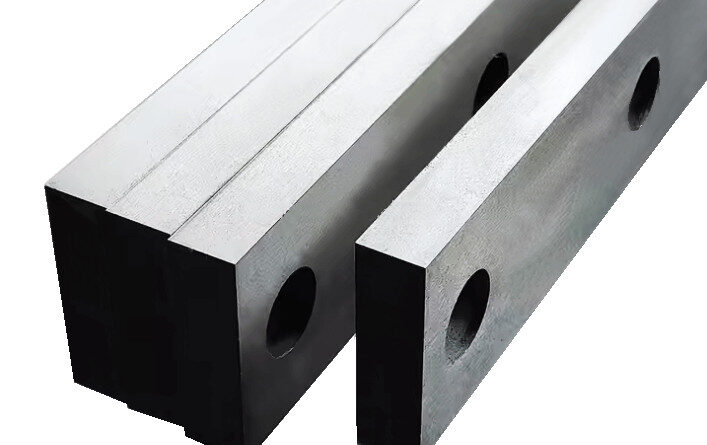
What Materials are Often Used for the Blades of the Shears
Shear Blade Material Selection Guide: A Comparative Analysis of 9CrSi, 6CrW2Si, and H13
Introduction
Shear blades are critical components in the metal processing industry. The choice of material directly impacts shearing efficiency, blade lifespan, and production costs. Selecting the correct blade material can significantly extend blade life and ensure cutting quality.
This article will delve into several commonly used materials for shear blades, including carbon-bonded tool steel, low-alloy tool steel, and alloy tool steel. We will specifically compare and analyze the performance characteristics and application scenarios of three common materials: 9CrSi, 6CrW2Si, and H13, aiming to provide professional guidance for procurement and technical personnel.
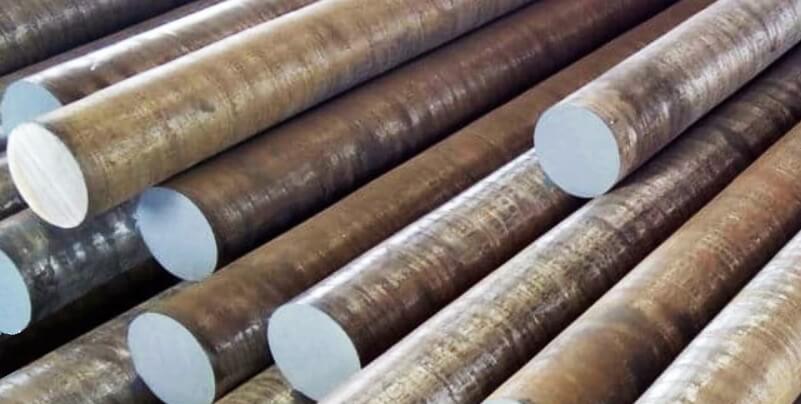
Classification of Shear Blade Materials
The shear blades are widely used in: mechanical and electrical, sheet metal, light industry, aviation, ships, instrumentation, electrical appliances, stainless steel products, steel construction, metallurgical industry shear various steel plates, stainless steel, copper, Lvboards, and non-metallic materials.
The suitable material can be selected according to the different conditions of the sheared object. It has the advantages of high tension resistance, wear resistance, and sharpness. It is an ideal shearing metal tool.
1. Carbon-Bonded Tool Steel
- Typical Materials:65, 75 steel, T8, T10
- Heat Treatment Hardness:HRC 57-59 degrees
- Application Scope:Primarily used for recycling and shearing common low-carbon cold-rolled sheets, ordinary A3 steel plates, and scrap materials.
- Characteristics:Low cost and competitive price, suitable for basic shearing operations where high blade performance is not the primary requirement.
2. Low-Alloy Tool Steel
- Typical Materials: 6CrW2Si, Cr5, 9CrSi, Cr12MoV, etc.
- Heat Treatment Hardness: HRC 58-62 degrees (for stainless steel)
- Application Scope:Suitable for shearing medium to thick hot-rolled steel and stainless steel.
- Characteristics:Superior in hardness and wear resistance compared to carbon-bonded tool steel, capable of handling more complex shearing demands
3. Alloy Tool Steel
- Typical Materials: 4Cr5MoSiV1 (H13K), 7Cr7Mo2V2Si9 (LD), W6Mo5Cr4V2 (6542), H13, etc.
- Heat Treatment Hardness: HRC 60-62 degrees (high heat resistance)
- Application Scope:Primarily used in high-temperature working environments such as hot-rolled steel and hot shearing of medium to thick steel plates. Widely applied in industries like automotive, shipbuilding, electrical, engineering, and machinery manufacturing.
- Characteristics: Possesses excellent high-temperature resistance, not prone to annealing, and maintains blade hardness and sharpness during high-temperature shearing processes.
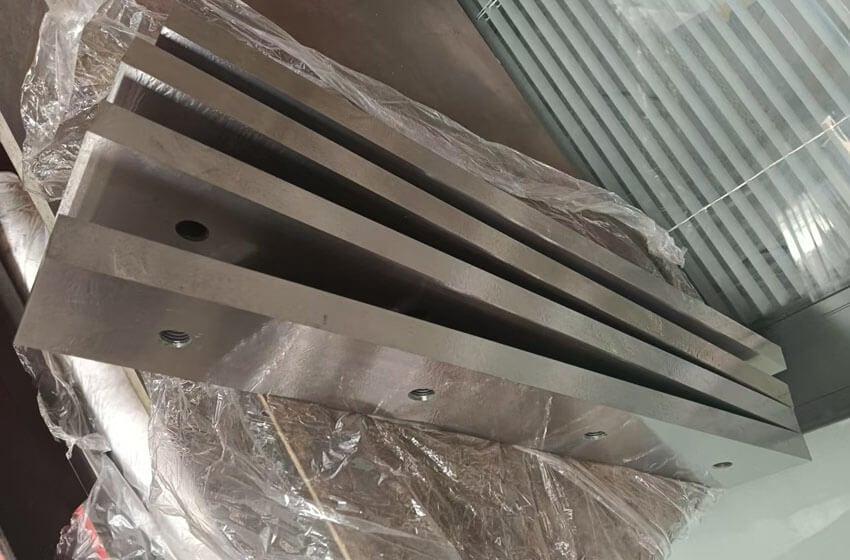
Shear Blade Core Material Comparison: 9CrSi vs. 6CrW2Si vs. 12CrMoV (H13)
To provide a more intuitive understanding of the performance differences among various materials, we will compare the shear blade grades classified by JSTMT based on cutting materials: Economy (9CrSi), Standard (6CrW2Si), and Premium (12CrMoV / H13).
1. 9CrSi (The Economy Choice)
- Best For: Thin Mild Steel (<4mm).
- Hardness: HRC 57-59.
- Overview: This is a high-silicon alloy steel. It is brittle but hard. It is suitable for cutting simple Q235 (A36) carbon steel plates. However, if you try to cut stainless steel or high-tensile plates, the edge will chip immediately.
2. 6CrW2Si (The Industry Standard)
- Best For: General Mild Steel (4mm – 10mm).
- Hardness: HRC 58-60.
- Overview: This is the most common material used for standard hydraulic shearing machines in China. The addition of Tungsten (W) increases the blade’s wear resistance and toughness compared to 9CrSi. It offers a great balance of cost and lifespan for general fabrication shops.
3. 12CrMoV / H13 (The High-Performance Choice)
- Best For: Stainless Steel & Heavy Plate (>8mm).
- Hardness: HRC 60-62 (High Heat Resistance).
- Overview: If you are cutting Stainless Steel (304/316), you must use this grade. H13 (High Carbon High Chrome) is a hot-work tool steel. It resists the high heat generated by shearing stainless steel, preventing the edge from softening or annealing during continuous use.
Comparison Chart: ROI & Lifespan
| Material Grade | Mild Steel Life | Stainless Steel Life | Cost |
| 9CrSi | Good | Fail (Will Chip) | Low price |
| 6CrW2Si | Excellent | Poor |
|
| H13 / 12CrMoV | Superior | Excellent |
|
Recommendation: Although H13 blades have a higher initial cost, their lifespan can be 3 to 5 times longer than standard blades when cutting diverse materials. This effectively saves downtime and sharpening costs, offering a higher return on investment in the long run.
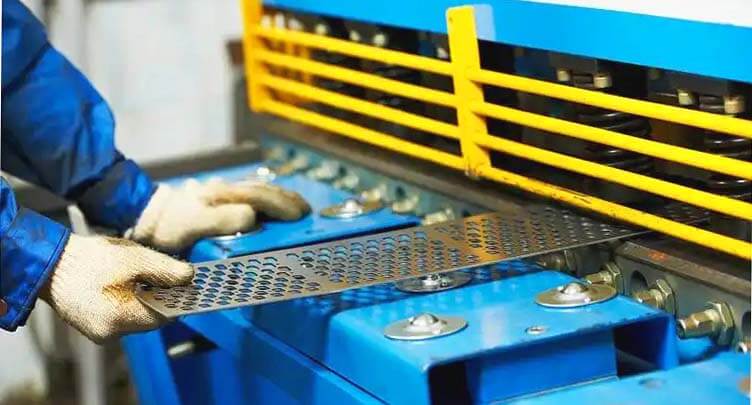
Shear Blade Production Process
High-quality shear blades are the result of precise manufacturing processes. A typical production flow includes:
Blanking – Forging – Tempering – Precision Machining – Inspection – Quenching – Annealing – Tempering – Roughing – Grinding – Inspection – Packaging for Dispatch.
Usage and Maintenance of Shear Blades
To ensure optimal performance and extend the lifespan of shear blades, operators should adhere to the following usage and maintenance guidelines:
* Strictly follow operating procedures.
* Before starting the machine, lubricating oil should be added on time, at fixed points, and quantitatively according to the lubrication chart, ensuring the oil is clean and free of precipitates.
* Check the blade clearance of the shearing machine every time it starts.
* Machine tools must always be kept clean, and unpainted areas should be coated with anti-rust grease.
* Regularly change and replenish the lubricating oil in the motor bearings to ensure normal, safe, and reliable operation of electrical components.
* Regularly inspect the V-belt, handles, knobs, and buttons for damage. If wear and tear are severe, they should be replaced promptly, and spare parts should be added.
* Regularly check the repair status of switches, blade safety devices, and handles to ensure their reliable operation.
* 10 minutes before the end of each workday, lubricate the machine tool and wipe it clean.
* Non-designated personnel are strictly prohibited from operating the equipment. The machine must be stopped when personnel leave.
Conclusion:
The selection of shear blade material is not simply about choosing the most expensive option, but rather a comprehensive consideration based on the type and thickness of the actual material to be sheared, as well as the requirements for cutting quality and efficiency. By thoroughly understanding materials such as 9CrSi, 6CrW2Si, and H13, businesses can make more informed decisions, thereby optimizing production processes, reducing operating costs, and improving product quality.
Maintenance Tip: Don’t Forget the Gap!
Even the best material will chip if your machine settings are wrong. Before installing new blades, make sure you read our guide on [How to Adjust Shear Blade Gap Clearance] to match your material thickness.
Need a replacement set?
Twisting parts or burred edges are signs of worn tooling. Check our catalog of [Industrial Shear Blades] compatible with Amada, Accurshear, and JSTMT machines.


Leave a Reply