

What is a Joggle In Sheet Metal
What is a Joggle In Sheet Metal?
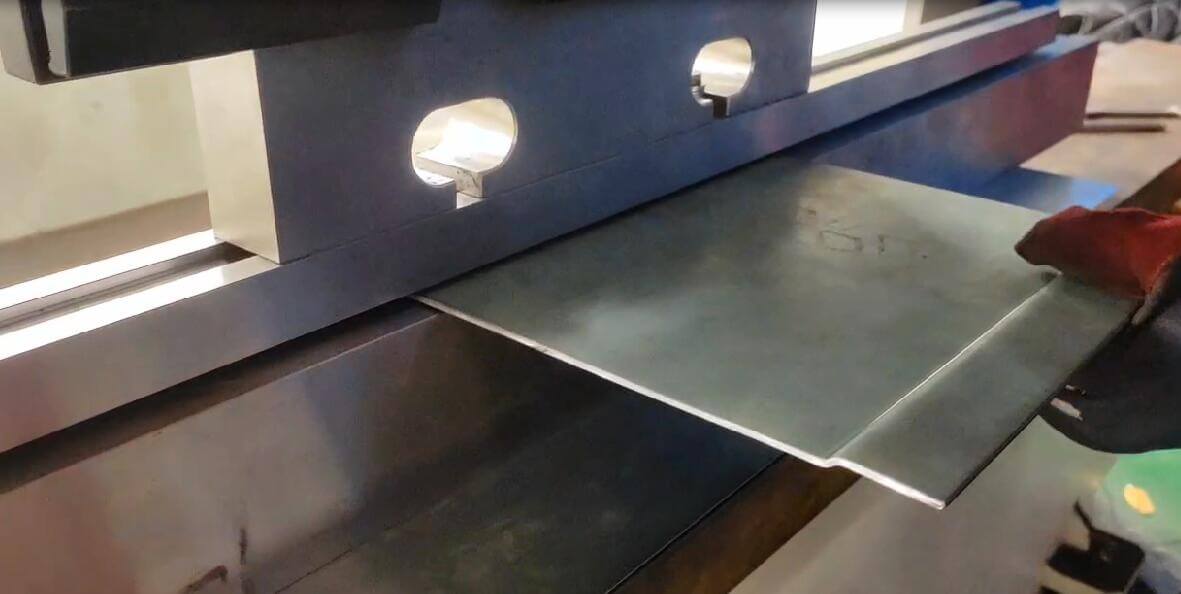
A joggle in sheet metal is a small offset, Z-shaped bend that creates an overlapping joint on a flush surface. The offset bending process creates two opposite bends with equal angles in a single action. The joggle bends are in opposite directions and less than 90°.
It creates the jog bends on many types of sheet metal bending, including aluminum, Mild steel, galvanized steel, and stainless steel. The joggle sheet metal tool is commonly used in sheet metal industrial works, such as Electrical enclosures, aircraft, and automobiles. Need a Custom Joggle Tool? Check our [Press Brake Tooling] catalog.
![Using [segmented press brake tooling] to create precise offsets](https://jstmt.com/wp-content/uploads/2024/04/IMG_1266-360x263.jpg "What is a Joggle In Sheet Metal 2")
What is the purpose of Joggle?
In sheet metal, a joggle (sometimes called an offset bend or a step bend) is a small offset or “step” formed in a piece of material, typically near its edge. The term “joggled” refers to a small offset or step created in the metal sheet.
The purpose of a joggle in sheet metal is to allow for clearance to create sheet metal joggle joints to reinforce structures. such as in sheet metal work or reinforced concrete structures. Steel joggles in sheet metal are used in steel rebars to provide a secure connection between the rebar and the concrete, facilitating the transfer of loads more efficiently.
- Aerodynamics: Crucial for aircraft skins to reduce drag.
- Flush Joints: Allow overlapping sheets without adding overall thickness (critical in automotive).
- Visual Aesthetics: Hides seams in consumer electronics.
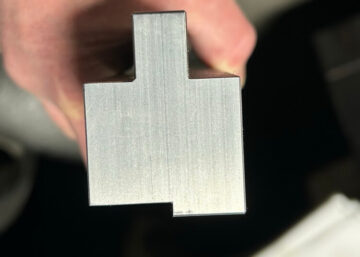
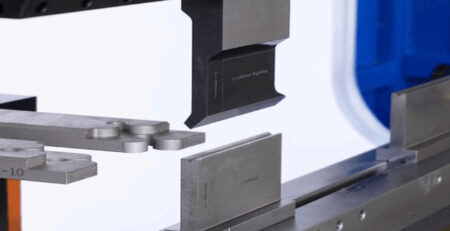
Achieving a consistent offset in sheet metal requires more than just precise calculations; it demands the right equipment. For complex projects where accuracy is non-negotiable, many fabricators prefer using high-quality segmented press brake tooling. This allows for the flexibility needed to handle varying flange lengths while maintaining the tight tolerances required for perfect joggle bends.
![sheet metal joggle tool: Using [segmented press brake tooling] to create precise offsets](https://jstmt.com/wp-content/uploads/2023/07/sheet-metal-joggle-tool.jpg "What is a Joggle In Sheet Metal 3")
What is the process of joggle forming?
A joggle bending is a metal fabrication offset bending process that creates two opposite bends with equal angles in a single action, meaning it creates a small Z-shape bend profile. Joggle forming is when multiple bends are made on a sheet metal creating an angle less than 90 degrees.
This joggle forming process mostly involves placing a sheet metal between a punch and a die. The inside joggle radii should be approximately the same as those used for straight bending. A joggle press brake clamps sheet metal between two dies to create a joggled joint. When the press brake applies pressure to the sheet metal, the top die pushes down to create a bend at the point of contact with the sheet metal. The joggling process aims to strengthen and secure connections for safety and reliability.
Applications of Joggle in sheet metal industry:
- Aircraft and Automotive Industry: Often used in fuselage or body panel assembly to create smooth flush overlaps without additional fasteners.
- Electrical Enclosures: Allow for cleaner joins and wiring clearances inside boxes and panels.
- Joining and Sealing: Improves fit and sealing in joints, which is especially useful in applications requiring watertight or airtight assemblies.
- Reinforcement: Increases structural strength where two sheets meet, improving stability and appearance.
Sheet Metal joggle tool Shipment to Chicago, USA
Sheet metal joggle Dimensions: The depth and width of a joggle depend on the thickness of the sheet metal and the required clearance
Apply : 3mm mild steel
Sheet metal joggle tool for Trumpf press brake:
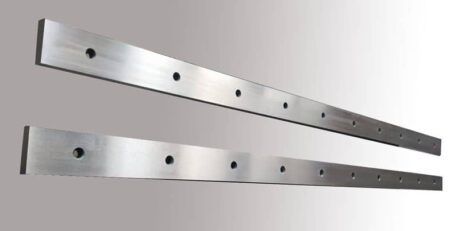
Punch, size: 156x55x1524mm Die,size: 120x80x1524mm
2 packages, 160kgs 0.094CBM ETD:11th April 2024
BL#CHN0946487P6 Shanghai to Chicago, IL
How to make a joggle in sheet metal?
Joggle in sheet metal refers to a process that creates a step or a projection on the edge of a metal piece to provide a secure joggled joint when assembled with another piece. Normally, Small Joggles formed in sheet metal work from 0.7mm to 3mm thick and up to a width of 140mm.
Custom Requirement: Diagram of a joggle joint profile
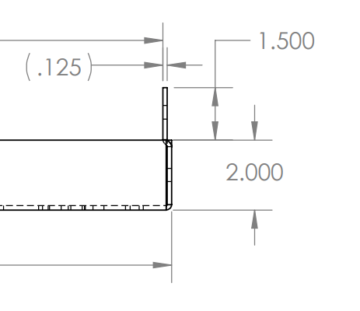
How to joggle sheet metal with custom offset dies?
Step 1: To define joggle in sheet metal(Z-bend profile reference ) and ensure quality after completing joggle bends , the sheet metal joggle tool will be tested to make a joggle in sheet metal on the joggle bender machine.
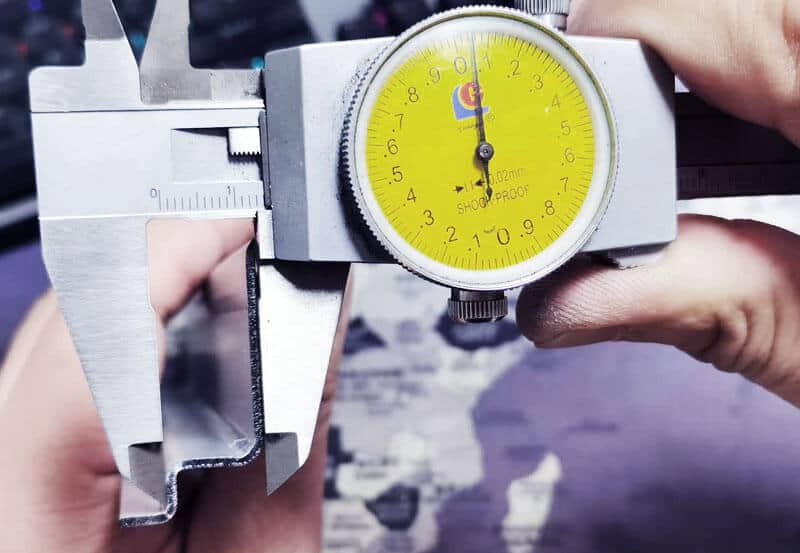
Step 2: We will verify each dimension using a vernier caliper, based on the provided drawing(such as to verify depth, run, and bend radius).
3. How to calculate joggle dimensions?
Need a Custom Joggle Tool? Check our [Press Brake Tooling] catalog.
Frequently Asked Questions
Yes, you can joggle stainless steel (such as 304 or 316 grades), but it is more challenging than mild steel. Due to the high tensile strength and work-hardening properties of stainless steel, you typically need 50-60% more tonnage. It is crucial to use high-quality segmented press brake tooling made from hardened materials like 42CrMo to prevent die wear and ensure clean, sharp offsets without cracking.
The minimum bend radius for a joggle usually depends on the material thickness (T). As a rule of thumb, the radius should be at least 1xT for mild steel and slightly larger for stainless steel to avoid material stress. If the radius is too small, you risk fracturing the outer grain of the bend. Always refer to a press brake tonnage chart to ensure your machine and tools can handle the specific radius and material thickness
While often used interchangeably, a joggle is typically a small, specific offset (usually equal to or slightly more than the material thickness) created to allow two sheets to overlap and form a flush surface, common in aerospace and paneling. An offset bend is a broader term for any two opposite bends that create a parallel shift. Joggles are often achieved in a single hit using a specialized joggle die, whereas larger offsets may require multiple hits with standard press brake dies.
Need custom joggle tooling? and preventing cracks in joggle bend? Get a Quote from our technical team.



Leave a Reply