

The Science of Precision: Subtractive Manufacturing on JSTMT Lathes
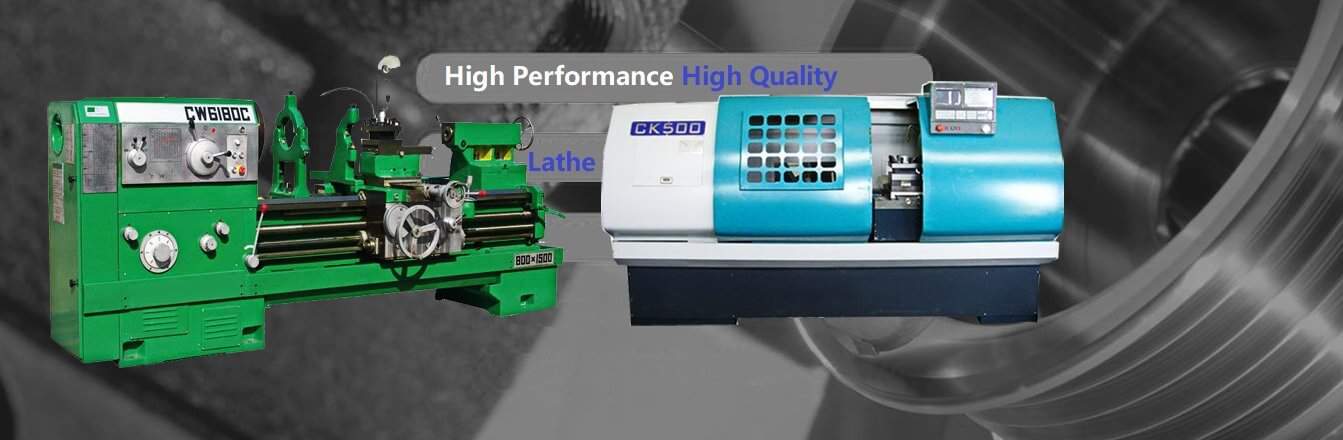
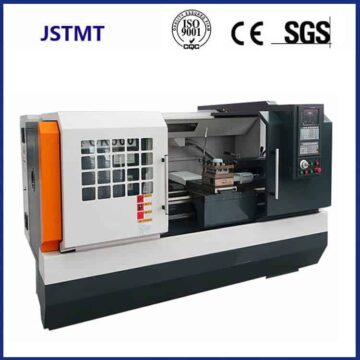
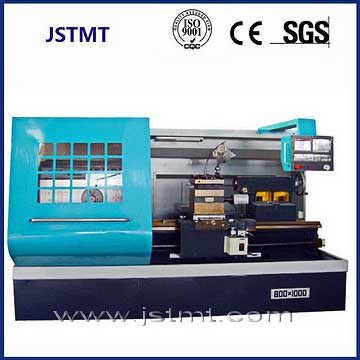
Lathe MC (Machine) series is engineered to provide unmatched stability and accuracy for all turning operations. The Lathe MC is built on a high-tensile cast iron bed, precision-ground to ensure minimal vibration during high-speed turning. The Lathe M/C spindle assembly features premium bearings, reducing thermal expansion and maintaining micron-level tolerances even under continuous heavy-duty loads. Almost everything you know concerns metal. In a word, it is the mother of all machine tools. if you don't know which is the best metal lathe for you, please contact us for assistance.
Lathe mc Standard Accessories

How does the Lathe MC work?
Lathe MC Advantages
Metal Lathe machines are used in woodworking, metalworking, metal spinning, manual lathe parts reclamation, and glass-working.
Application of lathe machine machine parts
Metal spinning
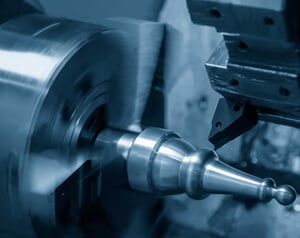
Metal Parts

Hard turning

WHY choose JSTMT | Solving Operator Challenges
1. Effortless Tailstock Realignment: Precision with Double-Guideway Design
One of the biggest headaches for lathe operators is the loss of center-line alignment during heavy tailstock movement. JSTMT addresses this with our Double-Guideway Tailstock System.
-
- The Logic: By utilizing independent, precision-ground rectangular ways for the tailstock base, we eliminate lateral "play" even when extended.
- The Benefit: This design simplifies the realignment process, ensuring that your tailstock and spindle maintain a concentricity of < 0.015mm, significantly reducing the setup time for long-axis shaft machining.
2. Advanced Chip Management: Optimized Sloped Internal Cavity
Accumulated hot metal chips are more than a mess
-
- The Logic: Our Lathe MC interior features a high-angle sloped bed casting and an enlarged coolant drainage path.
- The Benefit: This geometry uses the force of gravity and high-pressure coolant flow to flush chips directly into the collection tray. This keeps the working area clean, maintains a stable thermal environment for the machine bed, and ensures uninterrupted high-speed production.
3. Global Compatibility: A2-8 Spindle Standards & Modular Chucks
Purchasing a machine shouldn't limit your choice of accessories. We ensure our Lathe MC series integrates seamlessly into your existing workflow.
-
- The Logic: We strictly adhere to international standards, such as the A2-8 spindle nose specification and ISO-standard spindle bores.
- The Benefit: This allows for 100% compatibility with a wide range of hydraulic or manual 3-jaw and 4-jaw chucks (including brands like Strong or Kitagawa). Whether you are threading pipes or turning complex aerospace components, our spindle interface is designed to accept universal tooling without custom adapters.
FAQ- Engineering Quick Answers
A lathe machine is a type of cutting tool to remove material from the surface of the workpiece, such as metal, wood, or plastic, into desired shapes or sizes. The type of lathe machine includes a manual and computer numerical control lathe. The manual lathes have been a fundamental tool in the field of machining and manufacturing for centuries.
How to work a lathe machine? The metal lathe MC works on the principle of rotating the workpiece with a fixed cutting tool.
The metal lathe MC operates by rotating the workpiece against a cutting tool controlled by the machinist. The workpiece is held between two rigid and strong supports called a center in a chuck or in a faceplate that revolves. The lathe removes the undesired material from a rotating workpiece in the form of chips with the help of a tool that is transverse across the work and can be fed deep in the work.
The main function of the lathe is to remove the metal from a job to give it the required shape and size.
A lathe mc is a machining tool that is used for shaping metal or woodworking. The main use of the hand lathe is to remove unwanted parts of the material, leaving behind a nicely shaped workpiece. A conventional lathe mc is used for the following operations:
- Turning
- Facing
- Grooving
- key-way cutting
- Grinding
- Thread cutting
- Taper turning
- Drilling
- Knurling
- polishing
- Milling
Lathe machine machining is a process that uses a lathe to precisely machine hard materials by rotating a workpiece on its axis and applying tools to it.
The main difference between manual lathes and CNC lathe machine machining is accuracy and time consumption.
CNC Lathe machine machining advantage:
- The accuracy of CNC machines is very high compared to Normal Machining lathes.
- The machining in the lathe and CNC lathe was very fast.
- Fewer machine operators
- It reduces errors from the manufacturing process and eliminates unnecessary waste.
Manual lathe Machine advantages:
- Relatively Affordable Cost-effectiveness
- Versatile and can perform a wide range of lathe machine machining operations
- Flexibility and Adjustability. Variable speed can be manually controlled and adjustable feed rate, depth of cut, and tool position according to the specific requirements of the workpiece.
- Easy to maintain and repair
Catalogue