

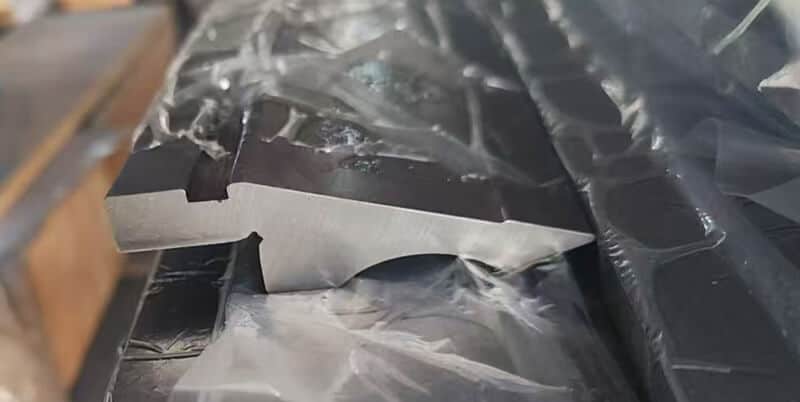
CNC Press Brake Tooling India Guide
The Ultimate Guide to Choosing the Right CNC Press Brake Tooling for Your Indian Workshop
With the growth of industrial manufacturing in India, the demand for high-precision sheet metal manufacturing is increasing. From the automotive hubs of Pune and Chennai to the industrial corridors of NCR and Ahmedabad, fabricators are upgrading to high-performance CNC machinery to meet global quality standards. However, the CNC press brake’s precision is up to the tooling.
Investing in premium CNC press brake tooling in India is a necessity for reducing scrap rates, ensuring repeatability, and extending machine life. Selecting the right hardened and ground punches and dies for stainless or heavy plate is the key to maintaining a competitive edge in the markets.
In this guide, we will break down what you want to know about selecting, maintaining, and sourcing CNC press brake tooling to ensure maximum ROI for your Indian workshop.
1. Understanding the CNC Press Brake Tooling Landscape in India
In the Indian market, versatility is key. Fabricators often work with a variety of materials, from thin stainless steel for kitchenware to thick mild steel for heavy machinery.
- Common Tooling Systems:
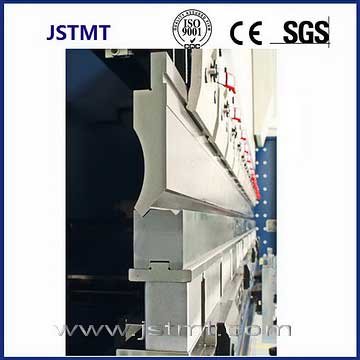
Amada/Promecam Style (European Style): The most popular in India due to its flexibility and wide availability. - New Standard/Wila Style: Gaining popularity in high-end Indian factories for its self-centering and fast-change capabilities.
- Trumpf Style: Essential for workshops utilizing high-speed German machinery.
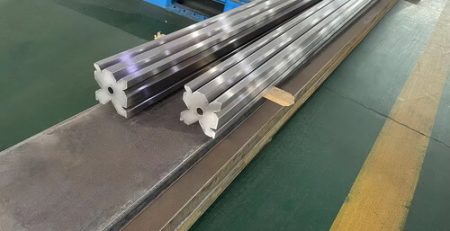
High precision CNC press brake dies to India
11 PKGS Weigh: 983kgs, 0.5CBM , ETD: 25th Nov 2025
BL#CCFSHNSA2515313 from Shanghai to AHMEDABAD, India
CNC Punch,size:3200x150x27mm(seg)
Die Block, size:3200x100x65mm(seg)
Die Rail, size:3200x100x25mm(seg)
V100, size:1500x100x120mm (seg)
V64, size:3200x65x74mm (seg
V50, size:3200x60x60mm (seg)
V40 & V8, size:3200x50x59mm (seg)
V24 & V16,size:3200x50x52mm (seg)
V12 & V32, size:3200x50x54mm (seg)
Press Brake Crowning Table, size: 3200x100x95mm
2. Material Science: Why 42CrMo Matters
Many workshops in India make the mistake of choosing low-cost, unhardened tools. However, to compete globally, Indian fabricators must prioritize durability.
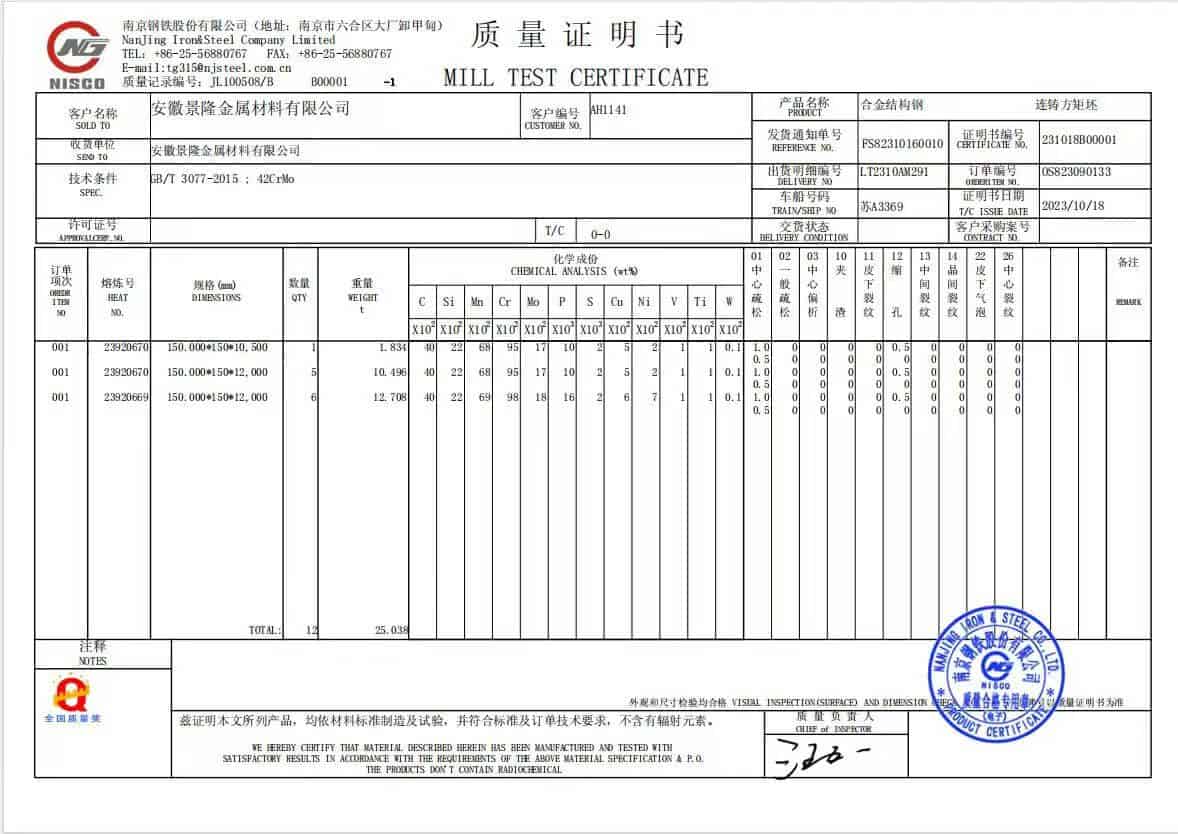
At JSTMT, we recommend tooling made from 42CrMo (Chromium-Molybdenum steel).
- Heat Treatment: hardened to 48+/-2 HRC.
- The Benefit: It ensures that the tool tips do not deform after thousands of bends, maintaining the accuracy of your “V” opening.
3. How to Choose the Right Tooling for Your Projects
Selecting the right punch and die is a science. Here is a quick checklist tailored for the Indian fabrication environment:
A. Match the Tonnage
Indian workshops often push machines to their limits. Always ensure your tool’s tonnage capacity exceeds the requirements for your thickest material to avoid “exploding” a die or cracking a punch.
P(tons)=65x sigma_b x S2 x L / Vx1000
- P: Pressure (Tons)
- sigma_b: Material Tensile Strength (use 1 for Mild Steel, 1.5 for Stainless)
- S: Material Thickness (mm)2
- L: Bending Length (m) V: Die Opening (mm)
B. The V-Opening Rule
For general mild steel bending in India, use the 8x rule (V-opening should be 8 times the material thickness). For stainless steel, you may need a larger V-opening to reduce marking and tonnage.
For air bending (the most common method in modern Indian shops), follow the Rule of 8:
V = 8 times xT (T is the material thickness.)
- For thin materials (< 3mm): Use 6 x T to 8 x T for tighter radii.
- For thick materials (> 6mm): Use 10 x T to 12 x T to reduce the required bending force.
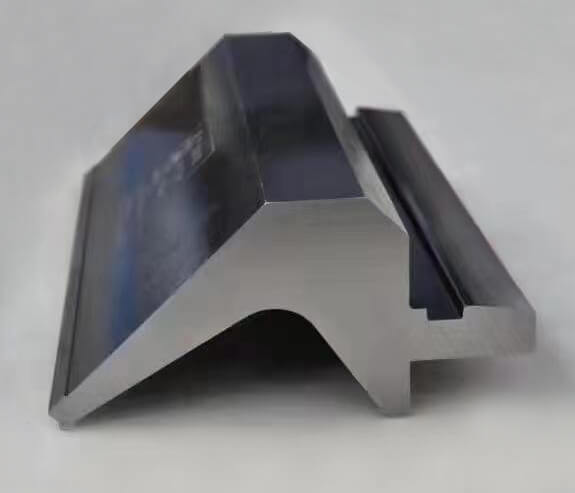
C. Gooseneck Punches for Deep Bends
If you are manufacturing electrical cabinets or deep boxes—common in the Indian power sector—a Gooseneck punch, means a Custom press brake tooling for stainless steel bending is essential to provide the necessary clearance for return bends.
- Standard Punch: Best for 90° bends without interference.
- Gooseneck / Swan Neck Punch: For “U” profiles or channels where the return flange would hit a standard punch body.
- Acute Punch: Used for bending angles smaller than 90° (often used for hems or pre-bends).
4. Solving Common Bending Challenges in India
Fabricators in regions like Chennai or Delhi often face specific challenges such as material springback or surface scratching.
Springback Issues: Use Acute Angle Tools (30° or 35°) to allow for over-bending, especially when working with high-tensile Indian steel grades.
Surface Protection: If you supply the food or medical industry, ask about No-Mar inserts or cloth to prevent die marks on polished stainless steel.
5. The Economics: Importing vs. Local Sourcing
While there are local toolmakers in India, many high-tier fabricators prefer importing precision-ground tooling.
Why choose JSTMT for the Indian market?
Global Precision, Local Understanding: We understand the specific machine brands popular in India (Amada, MultiPack, Godrej, etc.).
Fast Shipping to India: We have optimized logistics for major Indian ports and ICDs.
Cost-to-Quality Ratio: We provide European-level precision at a price point that fits the competitive Indian manufacturing budget.
6. Frequently Asked Questions (FAQ) for Indian Buyers
Q: Do you provide tooling for Amada, LVD, and local Indian brands like Sahajanand (SLTL)?
A: Yes. Our tooling is manufactured to international standards (European, American, and New Standard) and is 100% compatible with major global and domestic CNC press brake brands used in India.
Q: What is the typical lead time for shipping to India?
A: Standard tools are usually in stock and can be dispatched within 3-5 days. Custom-designed tooling typically has a lead time of 15-20 days, including sea or air freight to major Indian ports like Nhava Sheva or Chennai.
Q: Can you manufacture custom dies for specialized offset or hemming bends?
A: Absolutely. We specialize in custom-engineered solutions. Simply provide your part drawing (DXF or PDF), and our engineers will design the optimal punch and die set for your profile.
Conclusion: Take Your Fabrication to the Next Level
Investing in the right CNC press brake tooling in India is not an expense; it is a competitive advantage. With the right tools, you reduce scrap, decrease setup times, and deliver parts that meet international standards.
Ready to Upgrade Your Workshop Precision?
Maximize your CNC press brake’s potential with high-performance tooling. Download our press brake tooling catelog Today or contact our technical sales team for a quote tailored to the Indian market.


Leave a Reply