


3 Points Make Your Press Brake Lasting Longer than others
3 Points Make Your Press Brake Lasting Longer :Stand Out from the Competition
In the world of metal fabrication, the press brake is often regarded as the “heart” of the workshop. However, many facility owners only realize the critical importance of maintenance when precision begins to drift or unexpected downtime occurs. The longevity of a press brake depends not only on its original build quality but, more importantly, on its daily “maintenance logic.” If you want your press brake lasting longer and maintain higher precision than your competitors, traditional maintenance routines are simply not enough. This article will reveal the three essential strategies to extend your press brake’s life, helping you minimize operating costs while maximizing production efficiency.
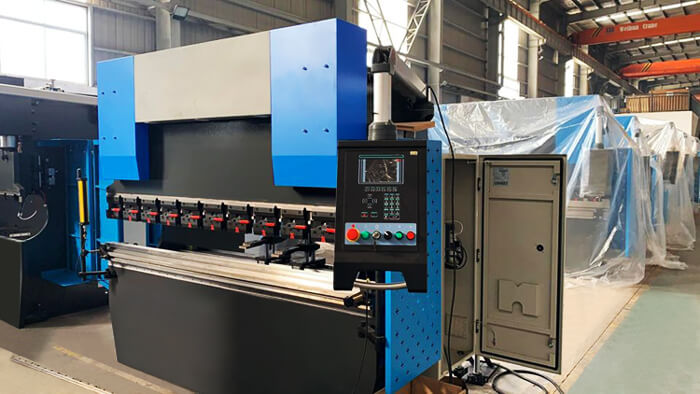
Let us introduce the 3 Points Make Your Press Brake Lasting Longer than others
1. Standard Maintenance of Hydraulic Oil Circuit
A regular maintenance routine is good for press brake life usage. It includes performing scheduled inspections, cleaning, and lubricating the machine components. Regular maintenance helps prevent excessive wear, reduces the risk of breakdowns, and ensures optimal performance.
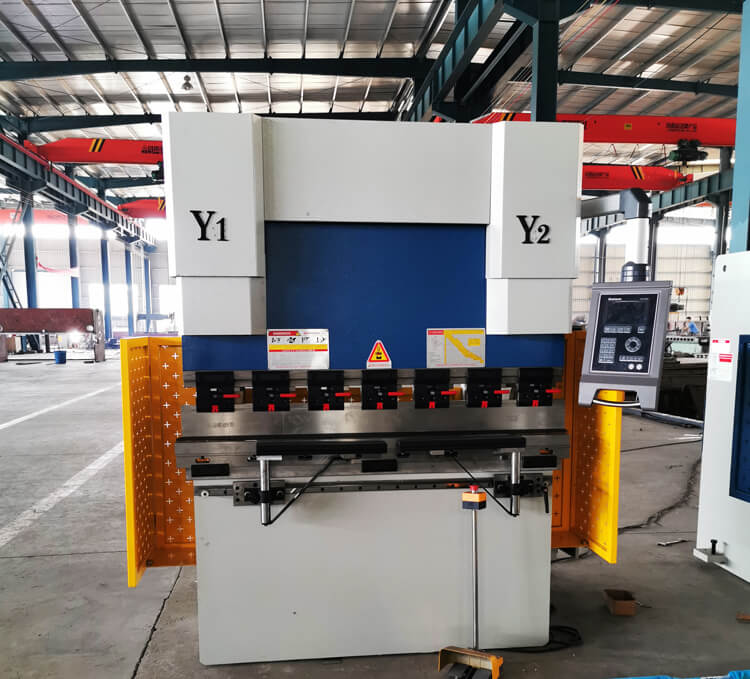
The Press Brake Hydraulic oil used in the Bending machine is normally ISO HM46 or MOBIL DTE25; Basic the oil tank level should be checked every week, such as the inspection should be after the maintenance of the hydraulic system. More Hydraulic oil should be added if the oil level is less than the oil window line; During working, the hydraulic oil should be kept at 35℃~60℃, and the oil quality will be broken if the oil temperature is more than 70℃. though the lifetime of the CNC press brake lasts long, we need to pay more attention to the oil feed.
It is should be noted that the hydraulic oil should be changed after 2000 hours working for a New Press Brake, and after then, every 4000-6000 hours working, the oil should be changed, and the oil tank should be cleaned every time.

2. Regularly Inspect the Oil Filter
the oil filter should be changed when Press Brake alarmed or oil is not clean. the oil filter should be changed or thoroughly cleaned when every time oil is changed, and the air filter on the oil tank, should be cleaned every 3 months, It is suggested to change every year.

3. Maintenance for Each Component
After using one month for the press brake, The Oil pipes should be checked to see whether it is deformed, please change them if there is anything abnormal. and all the component connections should be tightened after being used for two months. the system should be under shut-off conditions without any pressure; monthly cleaning for the hydraulic components(Mainboard, Valves, Motor, Pump. and oil pipe)can prevent dirt from entering the system. The cleaner should not be permitted.

Besides, here are a few bonus points to consider:
Avoid Overloading: Do not exceed the machine’s maximum capacity or force limits. Overloading the press brake can lead to premature wear and damage to critical components. Follow the manufacturer’s guidelines for load limits and bending capacities.
Minimize Unnecessary Stress: Minimize unnecessary bending operations or excessive force on the machine. Optimize bending sequences and take advantage of the machine’s automation features, such as CNC controls, to reduce stress on the machine and increase its longevity.
Environmental Factors: Protect the press brake from harsh environmental conditions such as excessive heat, moisture, or dust. Provide proper ventilation and install appropriate safeguards to prevent damage from contaminants.
By implementing regular maintenance, providing proper training to operators, using quality tooling, and following these guidelines, you can significantly increase the lifespan of your press brake and ensure its optimal performance over time.
Technical Resources & Buying Guides
-
Technical Reference: What is a Press Brake? – A deep dive into the working principles of press brake machines, from the hydraulic system to the foot pedal controls.
-
Critical Safety: Press Brake Tonnage Guide – Learn how to accurately calculate bending force for various sheet metal thicknesses to prevent damage to your machined tooling.
-
Expert Selection: Press Brake Tooling Types – A comprehensive guide to choosing the proper tool for specific bending applications, including custom and style tooling solutions.
- Practical Tooling: How to Calculate V-Die Opening – A must-read for daily operations. Learn the precise formula for selecting the correct V-die width based on your sheet metal thickness to ensure a perfect metal bend.



Leave a Reply