

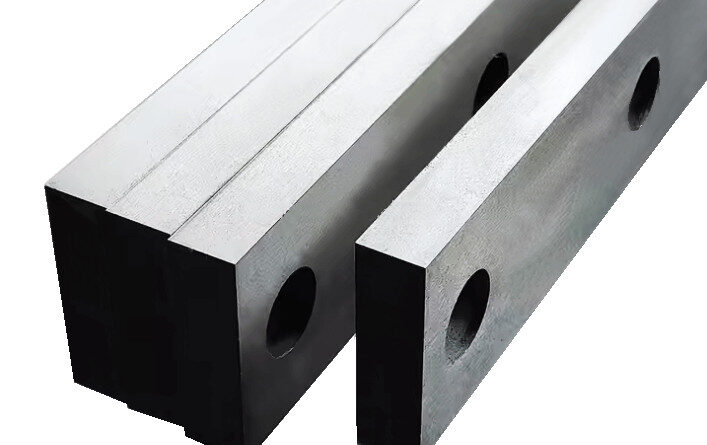
How to Sharpen Shear Blades
Restoring the cutting efficiency of industrial guillotine and swing-beam shear blades requires precise technical calibration during the regrinding process. To prevent micro-cracking and structural thermal softening (annealing) of premium metallurgy like SKD11 (D2) ,H13 or 9CrSi tool steel, operators must deploy correct coolant flow rates and specific grinding wheel grits. This industrial engineering guide breaks down the technical steps to sharpen hydraulic shear blades, ensuring parallel tolerances are maintained within ±0.02mm across all 4-sided cutting edges to restore high-precision, burr-free sheet metal fabrication.
Why Sharpen Shear Blades is Important?
Shear blades are designed to cut through tough materials, but after many times cutting, they can become dull, nicked, or worn. Dull blades not only reduce efficiency but can also damage materials and increase the risk of accidents. Regular industrial shear sharpening ensures:
- Precision cutting performance
- Longer blade lifespan
- Cost savings by avoiding premature replacements
- Safety during operation
Signs Your Shear Blades Need Sharpening
Include:
- Burrs
- Rough cut edge
- Increased cutting force
- Material deformation
- Noise
- Poor cut quality
Sharpening vs. Replacement: When Should You Buy New Shear Blades?
What Causes Shear Blades to Become Dull?
- abrasive wear
- improper clearance
- hard materials
- overheating
- poor lubrication
What is the Types of industrial shear blade sharpening material
1.Carbon tool steel blades are known for cost effectiveness and for light cutting tasks. These blades are made of carbon steel such as T10, T8, and 65, and after heat treatment to improve durability, making them a common choice such as automotive and construction.
2. Low alloy tool steel blades contain elements such as chromium, silicon, and tungsten, designed specifically for higher demand such as for processing thicker plates or harder metals. 9CrSi, 6CrW2Si, and Cr12MoV grades can improve cutting efficiency, and handle harder materials such as hot-rolled steel plates, stainless steel, and medium thick steel plates with higher tensile strength.
3. High alloy tool steel blades are suitable for harsh environments that require high stress, high temperature, and high cutting force. Alloys such as 4Cr5MoSiV1 (H13) and W6Mo5Cr4V2 contain chromium, molybdenum, vanadium, and tungsten. The characteristics of this material are high temperature resistance and resistance to annealing.
Compare the shear blade material and get the A Comparative Analysis of 9CrSi, 6CrW2Si, and H13
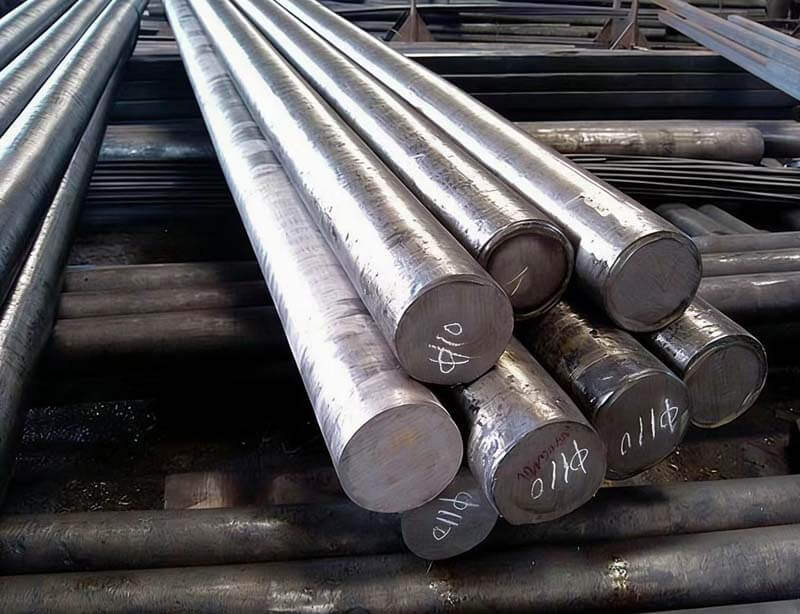
The Complete Guide to Shear Blade Sharpening
As we know blades, and maintaining can ensure the machines remain reliable and efficient. Here’s a step-by-step guide to help you sharpen shear blades effectively:
Steps: How to Sharpen Shear Blades?
Sharpening shear blades involves a few straightforward steps to restore their cutting efficiency.
1. Remove the Shear Blades from the Machine:
Before sharpening shear blades, make sure the machine is turned off and has cooled down . Use the wrenches to remove the shear blades from the machine. Keep track of the blade’s orientation for reinstallation.
2. Clean the Blades:
Before sharpening machine blades, thoroughly clean the blades to remove any metal shavings. Use a brush or solvent to clean the surfaces. Clean blades will help you avoid contamination during the sharpening process.
3. Inspect the Blade for Damage:
Check the blades for any nicks, cracks, or excessive wear. If there are significant defects, it may be better to replace the blades rather than sharpen shear blades.
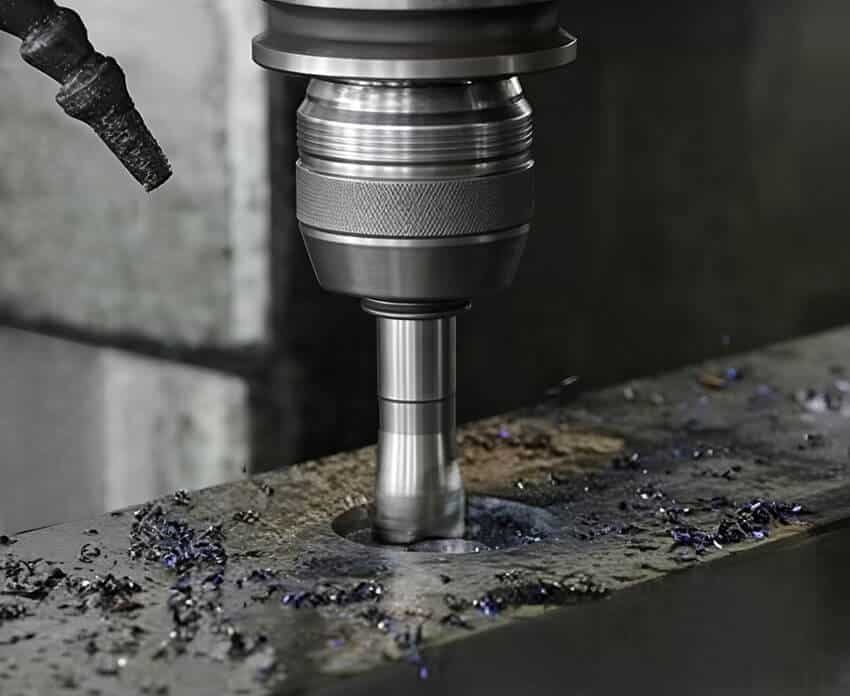
4. Set the Correct Angle:
Shear blades typically have a specific cutting angle, which is important for achieving sharpness and precision. Common angles for shear blades range from 30° to 45°, depending on the type of shear. Use an angle gauge or protractor to set the correct angle on the grinding wheel. and make sure that the angle is consistent across the entire cutting edge process.
5. Sharpen Shear Blades:
- Using a Bench Grinder: 1) when you’re using a shear blade grinding machine, carefully position the blade against the grinding wheel. 2) Hold the blade firmly and move it back and forth across the wheel to remove material evenly from the edge. 3) Keep the blade cool to avoid overheating, which can reduce its hardness. Use water or a cooling system if available to prevent heat buildup.
- Using a Surface Grinder: 1) when you’re using a surface grinder, place the blade on the bed and set the machine to the correct angle. 2) The surface grinder will offer more control and precision compared to a bench grinder. 3) Move the blade slowly across the grinding wheel to achieve an even, sharp edge.
How much to grind off a D2 shear blade/how much to grind off a D2 shear blade
| Grinding Process Parameter | Technical Specification (SKD11 / D2) | Engineering Purpose & Value |
| Grinding Wheel Type | White Aluminum Oxide (WA) / CBN | Prevents localized frictional heat buildup on hardened tool steel. |
| Max Depth of Cut (Per Pass) | 0.01 mm to 0.03 mm (Micro-feeding) | Eliminates structural thermal stress and surface micro-cracking. |
| Coolant Requirement | High-flow Synthetic Water-Soluble Emulsion | Flood cooling directed precisely at the grinding wheel contact zone. |
| Parallelism & Thickness Tolerance | Within ±0.02 mm across total length | Secures absolute uniform blade clearance gap calibration. |
| Surface Finish Roughness (Ra) | Ra <0.4 μm(Mirror finish) | Minimizes cutting friction, burr formation, and material drag. |
6. Check the Blade Flatness:
After metal shear blade sharpening, check the flatness of the blade using a dial indicator or a straight edge. The cutting edge should be straight and free of any warps or bends. If the blade is not flat, it can cause uneven cuts.
If necessary, use the grinding machine to lightly touch up any areas that are not perfectly flat.
7. Deburr the Edges:
After sharpening, use a fine abrasive stone to remove any burrs along the cutting surface. Burrs can affect the performance of the shearing machine and damage the material being cut.
8. Reinstall the Blades:
Once the blades are sharpened and deburred, carefully reinstall them onto the shearing machine. Ensure they are properly aligned and securely fastened. Follow the manufacturer’s instructions for blade installation and torque specifications.
9. Test the Shear Blades:
After installation, run a test cut to check the sharpness and performance of the metal shear blades. Ensure the cuts are clean and smooth. If the cuts are rough or uneven, the blades may need further adjustment or sharpening.
10. Lubricate the Blades:
Apply a light coat of lubricating oil to the blades to prevent rust and ensure smooth operation.
Engineering Insights from JSTMT
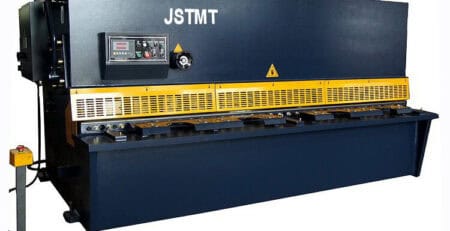
During blade refurbishment, our engineers inspect blade hardness, straightness, grinding allowance, and edge wear before regrinding. After sharpening, blade clearance is recalibrated according to machine type and material thickness to restore cutting accuracy.
- Grinding Wheel Selection: Choose the right grinding wheel based on the material of the shear blades. For high-speed steel (HSS) or other hard metals, a diamond grinding wheel or a silicon carbide wheel is best.
- Consistency: Regularly inspect and sharpen shear blades to maintain optimal cutting performance. Prolonged use without sharpening can result in excessive wear and poor cutting quality.
- Shearing blade Sharpen Frequency: The frequency of sharpening depends on the amount of use the shear blades get. For high-volume operations, blades may need sharpening more frequently, while for lighter use, it could be done less often.
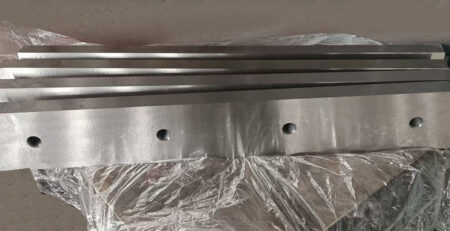
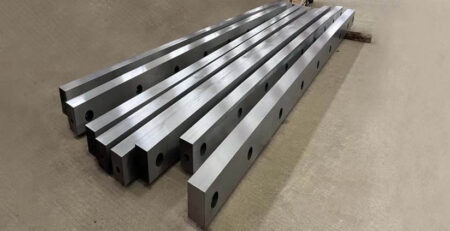
If your shear knives have undergone multiple regrinds and hit their maximum thickness limit, further sharpening will compromise the clearance gap adjustment. In this case, upgrading to through-hardened, vacuum-treated [Hydraulic Shear Blades]manufactured in China from genuine SKD11 steel is essential to protect your machine’s hydraulics.
Conclusion
To Sharpen shear blades is a delicate process that requires attention to detail and the right tools. Properly maintaining and sharpening shear blades will ensure the longevity and efficiency of your shearing machine, allowing for cleaner cuts and reduced operational costs.
Is It Time to Replace Your Worn Shearing Knives?
While professional regrinding can extend the operational life of your cutting edges, a heavily shaved blade compromises structural clearance and damages your machine’s slide rails. Secure 3x longer life and pristine, burr-free cuts with JSTMT’s vacuum-hardened, precision-ground industrial tooling.
Need custom blade dimensions or technical advice on clearance gaps? Submit your machine model, material type, and blade length below. Our application engineers will analyze your fabrication requirements and provide a tailored shearing or bending setup quotation within 2 hours!
To maximize the performance of your cutting operations, our engineers recommend these technical guides:
- Shearing Machine Troubleshooting – Learn how to identify common cut defects like burrs and bowing.
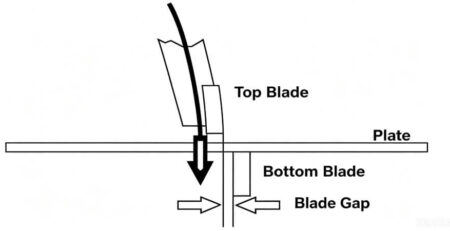
- How to Adjust Shearing Blade Gap – Proper gap setting is essential after every sharpening to prevent edge chipping.


Leave a Reply