
-

CNC Punching Machine for Sheet Metal Works
1 product
-
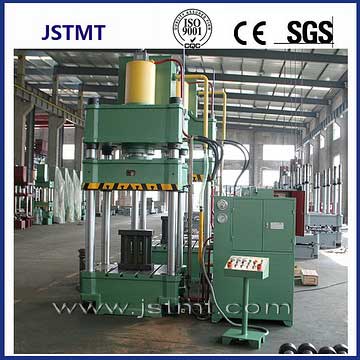
Hydraulic Press Machine for Sale
5 products
-
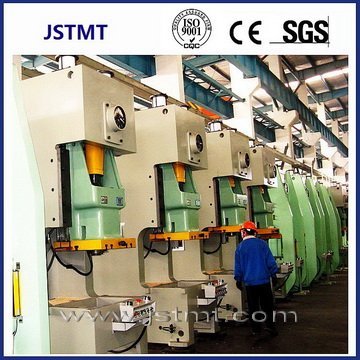
Power Press Machine for Industrial Works
3 products
1 product
5 products
3 products
Hydraulic Presses are available in a wide variety of standard tonnage and configurations. The press frames are a welded construction for max strength and durability. The steel press machine capacity is from 10 ton to 1000 ton and is available in C-Frame, H-Frame, Four-column types. If you need a heavy duty or small hydraulic press machines or stamping dies, please contact us for prices.
What are the key Components of the Hydrolic press machine?
A hydraulic press machine's core components can be categorized into the mechanical structure system, hydraulic system, electrical control system, and auxiliary devices.
1 Hydraulic Cylinder: Contains the hydraulic fluid and the piston that transmits the force.
2 Piston: A movable component within the cylinder that is pushed by the hydraulic fluid.
3 Hydraulic Pump: Creates the pressure in the hydraulic fluid from mechanical energy.
4 Hydralic Valves: Control the flow of hydraulic fluid and the direction of the piston movement.
5 Frame: Provides the structural rigidity required to resist the massive "deflection" forces generated during the pressing cycle.
6 Dies or Tooling: Attached to the ram and the press bed to perform specific operations.
The Metal Stamping Press Machinery Advantages
The hydraulic pressing machine is using hydraulic pressure forces with hydraulic press tooling for various shapes.


The metal Press machines include Hydraulic Metal Press Machine, Power Pressing machine, and heat press machines. It is used for forming metal parts by applying the following processes: shearing, blanking, forming, drawing, bending, forging, coining, upsetting, flanging, squeezing, and hammering.
Industrial hydraulic press for metal forming: Here's a breakdown of what to consider and where to look:
Factors to Consider Before Buying:
1. Tonnage Capacity: This is the most crucial factor. Industrial hydraulic presses can range from a few tons to thousands of tons.
2. Application: The common applications include: Forming, Punching, compacting, laminating
3. Testing: Material testing and quality control.
4. Bed Size and Daylight.
5. Stroke Length: The maximum travel distance of the ram.
6. Speed Requirements.
Difference between a Power press machine and a Hydraulic Press:
The Tonnage Formula is the pressure required in tons to cut a blank or contour using a flat faced punch with no shear. Tonnages of the hydraulic press machine can be calculated for forming, bending, cutting, drawing, and blanking operations. Having the ability to calculate the tonnages for a sheet metal project is vital for the completion and success of your project.
FORMULA
T(Ton) = P x Thick x C(constant)
T = Pressure required in tons | P = Perimeter of blank in inches | Th = Thickness of material
C = Constant (see common ones below) | Constant = The material shear strength/2000 pounds
EXAMPLE
.050 CR Steel, 1/2 Hd; Cutting edge of 12 linear inches
T= 12 x .050 x 32 = 20 tons required
CONSTANTS
Aluminum- Soft-11 | T4/T6-15
Steel- HR/Cold Rolled-27 | 1/2 Hard-32
Stainless Steel- Annealed-37 | 1/2 Hard-50 | 4130 AQ - 40
Brass- 1/2 Hard-22 | Hard-25b
When compared to mechanical fly-wheel presses, a hydraulic press for metal offers several distinct advantages for manufacturers:
Lower Maintenance Costs: With fewer moving parts than a mechanical drive, hydraulic systems typically offer a longer service life with simpler maintenance requirements.
A mechanical press machine is a widely used metal forming machine tool. It is designed to form or cut metal by applying mechanical force or pressure. With the help of a press, you can form any desired shape of metal without removing chips. The press is specially used for mass production. The main advantage of using these types of mechanical presses is that they are the fastest and most effective method of forming any sheet metal into the final product.