


6 Operation Rules for the Hydraulic Press Brake
A press brake operation involves using a specialized machine that clamps the workpiece between a matching punch and die to bend sheet metal. It is necessary to learn 6 operation rules for the hydraulic press brake. Correct Operate skills can keep hydraulic press brake operation safety and maintenance.
How does a hydraulic press brake work?
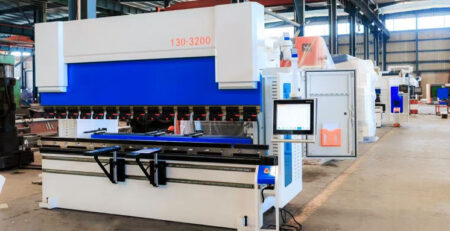
Hydraulic press brakes are commonly used for sheet metal bending and metal forming operations. The hydraulic press brake uses the hydraulic motor to apply power force from hydraulic cylinders onto the metal, compressing it into the die forming the desired shapes.
What is a press brake operator?
A Press Brake Operator works for the manufacturing and use of brake machines to shape multiple types of sheet metals, setting up bending parameters, CNC controls, and maintaining the press brake machine. Operating a hydraulic press brake efficiently and safely requires adherence to certain rules and guidelines.
Press Brake Operation Types:
The types of Press brakes include CNC press brakes, hydraulic press brakes, and manual press brakes. The press brake operation rules primarily focus on safety, proper machine setup, and material handling to ensure safe and efficient bending.
6 operation rules for how to use a press brake:
1. Our operators should read the hydraulic press brake user manual carefully before use. and familiar with the machine’s specific bending parameters, controls, and recommended operating procedures. Follow the manufacturer’s guidelines for maintenance and troubleshooting.

2. The Press Brake Operator can only start the foot pedal unless no unsafe factors when many operators are working the machine. Always prioritize safety when operating a hydraulic press brake. Familiarize yourself with the machine’s safety features, such as emergency stop buttons and safety guards.
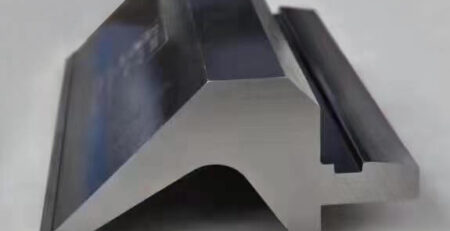
3. Tooling Setup: Properly install and secure the appropriate tooling for the desired bending operation. Follow the manufacturer’s instructions for tooling setup, including proper alignment, clamping, and adjustments. Ensure that the tooling is in good condition and free from damage or wear.

4. Proper Training: Ensure that operators receive comprehensive training on the operation of the hydraulic press brake. Training should cover safe machine handling, tooling setup, programming, and maintenance procedures. Regular refresher training should be provided to ensure operators are up to date with best practices.
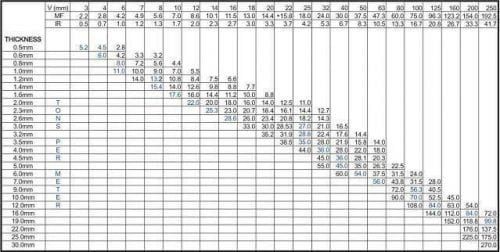
5. Material Inspection: Before bending any material, carefully inspect it for defects or abnormalities. Ensure that the material thickness is within the machine’s capacity and that it is suitable for the specific bending operation. Remove any debris or foreign objects that may interfere with the air bending process.
6. Step-by-Step Operation: Follow a systematic approach when operating the hydraulic press brake. This typically includes the following steps:
a. Set the machine to the correct operating mode (manual or automatic).
b. Program or adjust the bending parameters for the desired bend, such as bend angles, bend length, and back gauge position.
c. Position the material securely and accurately on the machine’s bed and back gauge.
d. Activate the machine using the appropriate control or foot pedal, ensuring that operators keep their hands clear of the bending area.
e. Monitor the press brake bending process closely, checking for any abnormalities or issues.
f. After completing the accurate bends, remove the finished workpiece carefully and inspect it for quality.
The 6 Operation Rules for the hydraulic press brake are general guidelines, and it’s essential to consult the specific instructions provided by the manufacturer for your hydraulic press brake model. If you want more operation rules for the hydraulic press brake, don’t hesitate to get in touch with us for your solutions.



Leave a Reply