

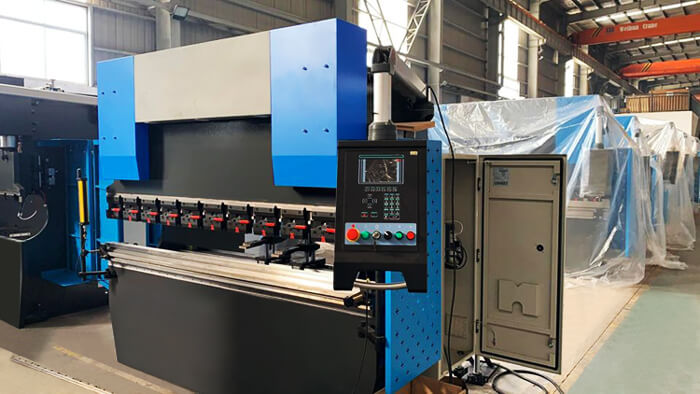
5 Core Indicators for Sheet Metal Equipment Factory Inspection
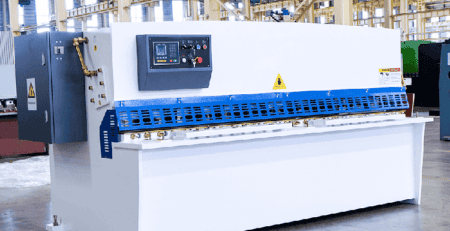
Sheet metal equipment inspection, including press brakes, shearing machines, and press brake tooling, is crucial for precision manufacturing in industries such as automotive, aerospace, and HVAC. Before leaving the factory, these machines must experience 5 core indicators for sheet metal equipment factory inspection to ensure performance, accuracy, and safety meet industry standards. As a leading sheet metal fabrication machinery manufacturer since 1985, JSTMT delivers high-quality solutions that pass a stringent factory audit.
In this blog, we explore the 5 core indicators for sheet metal equipment factory inspection to help you choose reliable machines and boost production efficiency. Visit JSTMT to learn how to prepare for a factory audit to learn more.
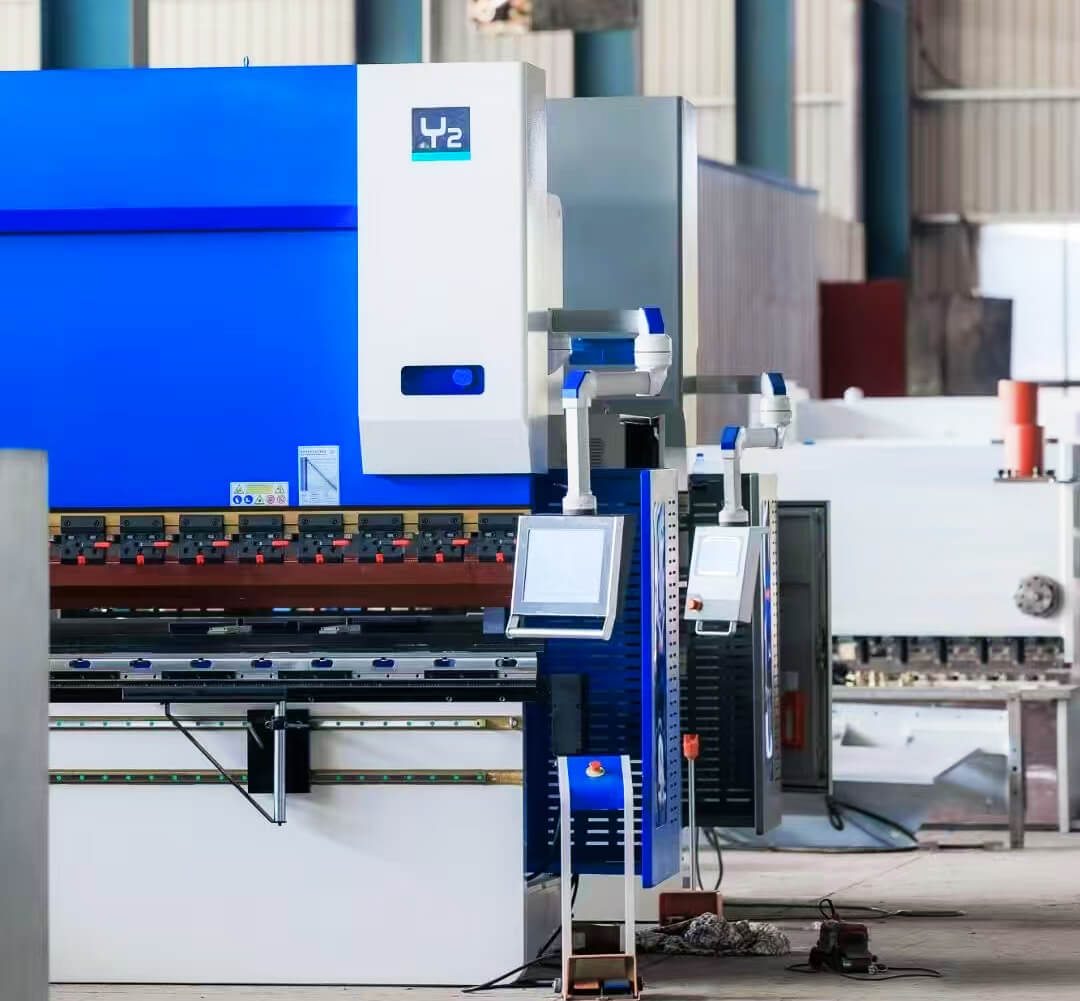
5 core indicators for sheet metal equipment factory inspection
1. Dimensional Accuracy
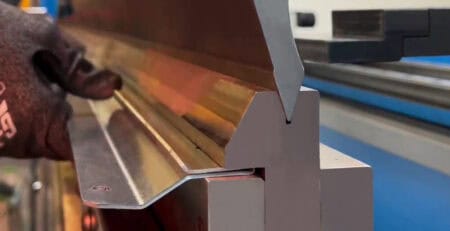
Dimensional accuracy ensures that sheet metal parts produced by equipment like reliable sheet metal press brakes and shearing machines meet design specifications, with tolerances typically ranging from ±0.01mm to ±0.1mm. For press brake accuracy, this includes bend angle precision (e.g., 90°±0.5°); for shearing machine precision, it ensures straight, burr-free cuts.
Sheet Metal Inspection Methods:
- Use Coordinate Measuring Machines or laser scanners to verify part dimensions.
- Test backgauge repeatability to ensure errors are below 0.01mm.
- Check bend angles and cut edges for consistency and smoothness.
High-dimensional accuracy is vital for industries that require precise components, such as electronics and aerospace, ensuring zero rework and cost savings.
2. Mechanical Performance
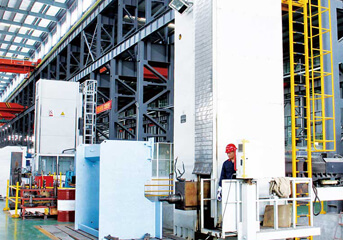
Mechanical performance evaluates the equipment’s ability to deliver consistent force and stability, such as press brake tonnage (20T to 1000T) or shearing machine cutting capacity (4mm to 40mm thick sheets).
Sheet Metal Inspection Methods:
- Test hydraulic system pressure stability, ensuring fluctuations are below 5%.
- Measure servo motor response time (e.g., <0.1 seconds for positioning).iuu
- Run the equipment at full load for 10 minutes to confirm no overheating or excessive vibration.
Sheet metal equipment performance ensures reliable operation under high workloads, minimizing downtime and maintenance costs.
3. Control System Precision
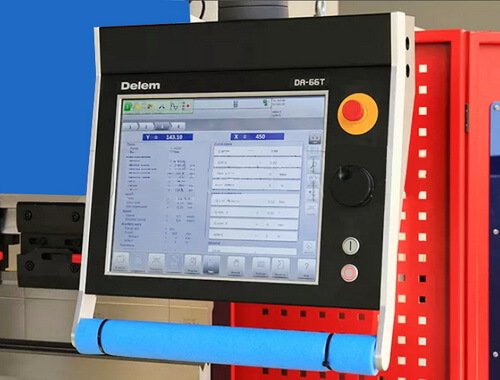
Modern CNC sheet metal equipment often features CNC or NC systems (e.g., DELEM, Estun E21, Cybelec) that require high programming accuracy and repeatability for automated bending or cutting.
Sheet Metal Inspection Process:
- Verify CNC angle programming accuracy (e.g., ±0.1°).
- Test backgauge repeatability (±0.01mm).
- Check Human-Machine Interface (HMI) response speed and program stability.
Precise Press brake control systems enable complex part production and automation, critical for high-volume manufacturing.
4. Sheet Metal Equipment Safety Performance
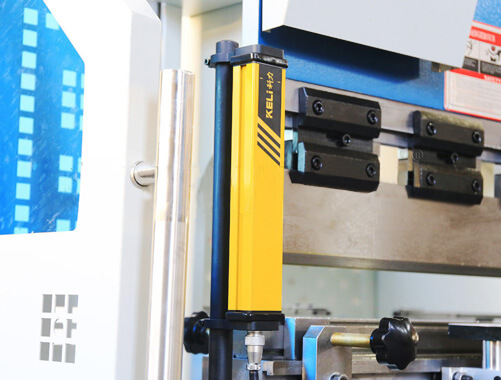
Press Brake Safety features, such as light curtains, emergency stops, and guardrails, for ensuring compliance with internal quality standards, like shearing machine CE certification, to protect operators.
Sheet Metal Inspection Process:
- Test light curtain response time (<0.1 seconds to stop operation).
- Verify emergency stop functionality across all modes.
- Check hydraulic systems for burst valves and overload protection.
Strong safety performance reduces workplace accidents, enhances operator confidence, and ensures regulatory compliance.
5. Surface Quality and Durability
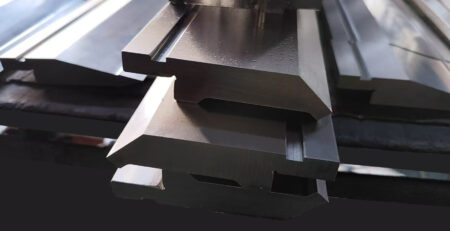
Equipment components, such as blades, tooling, and frames, must have smooth surfaces (no scratches or burrs) and long-lasting durability (e.g., 10-year frame warranty).
Metal Fabrication Machinery Inspection Process:
- Use a colorimeter (e.g., NR145, repeatability ΔE*ab 0.08) to check surface finish consistency.
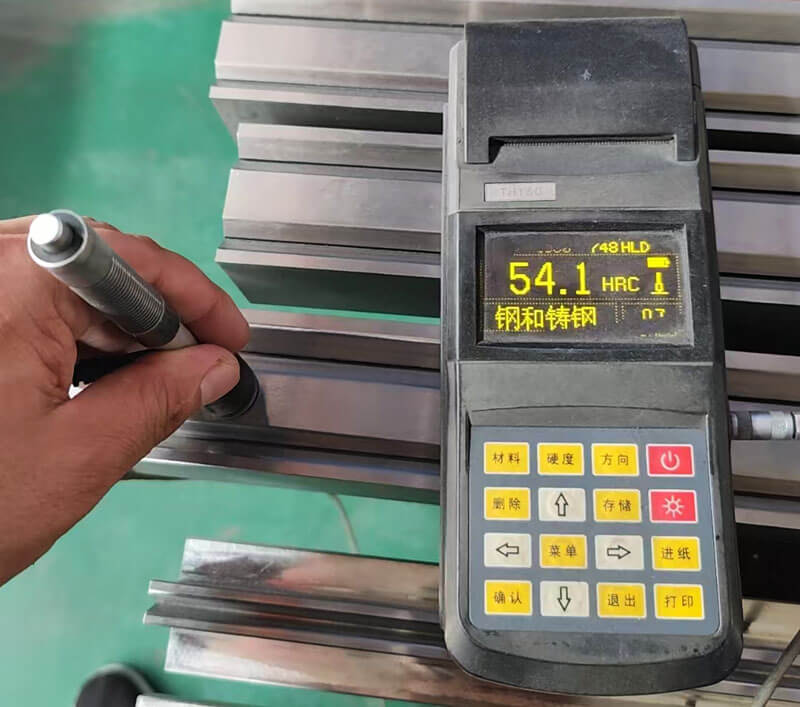
- Test tooling hardness (e.g., HRC 48-52 for 42CrMo steel) and wear resistance.
- Conduct 48-hour salt spray tests to verify corrosion resistance.
High surface quality enhances part aesthetics, while durable components extend equipment lifespan, reducing replacement costs.
Complete Machine Testing before dispatching
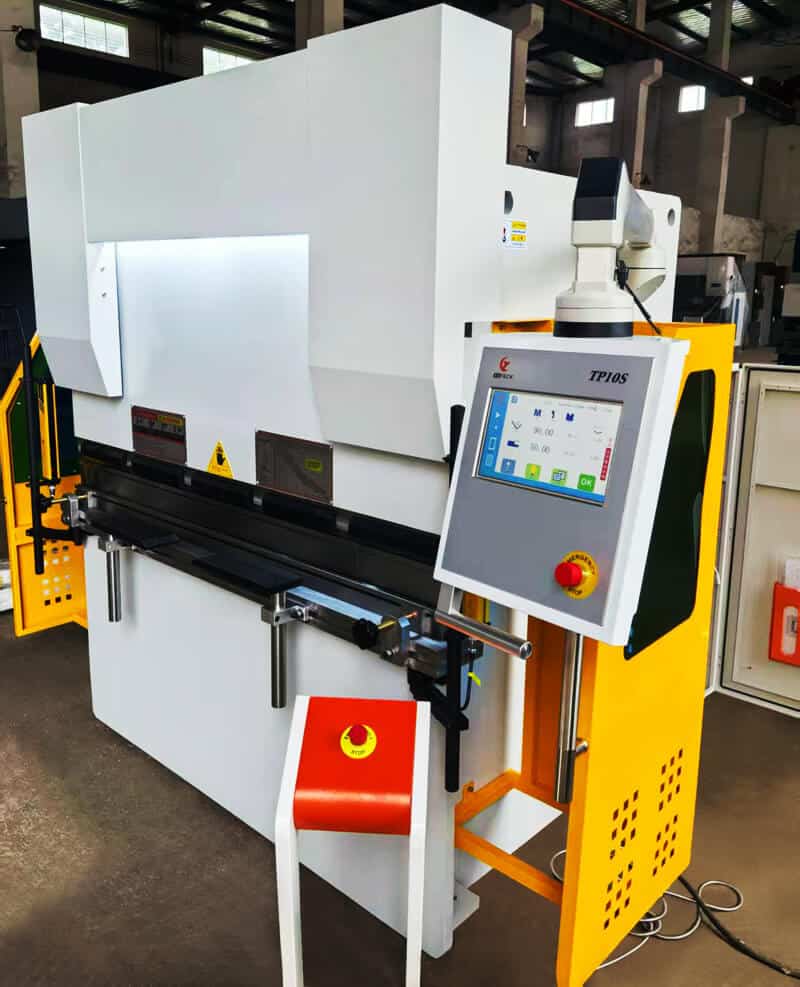
- Complete machine testing – 48 hours run (Pressure, Electrical & CNC Diagnostics,Safety Protocol)
- Ram parallelism & Backgauge positioning
- Components list check as the contract requires
- Custom Workpiece Bending (Customer Satisfaction Test)
Professional Logistics & Dispatch
- Precision Container Loading(FCL or LCL)
- Advanced Securing: High-tensile steel wire ropes Fixturing & Polypropylene Wrapping
- Weight Verification & Customs Declaration Accuracy

Why Choose JSTMT?
When you choose JSTMT, you aren’t just buying a machine; you are buying peace of mind and reliability. From the first 0.01mm calibration to the final steel rope fixture, we protect your production future.

Leave a Reply